This article may contain affiliate links. If you buy through them, Choosing Health Daily may earn a small commission at no extra cost to you. Learn more.
Walking down the grocery store aisles can feel like a scavenger hunt, especially with all those labels competing for our attention. It’s almost like they’re speaking a secret language that we’re all trying to decode as we make our way through the produce section. I often find myself squinting at tiny print or getting distracted by flashy packaging. Between the promises of “organic,” “gluten-free,” and “all-natural,” it’s easy to feel overwhelmed. So, what’s the real deal with these grocery store labels? Let’s dive into some of the common terms and what they actually mean, and I’ll share some personal tidbits from my own grocery adventures along the way.
Understanding Common Labels
First up, let’s tackle some of the most common labels you’ll see on food packages. Knowing what these terms mean can help you make better choices, or at least feel more informed while you’re rounding up snacks.
Organic
When you see “organic” on a label, it can feel like you’re grabbing something special, right? The USDA has specific guidelines for what can be labeled as organic, and it typically means that the food is produced without synthetic fertilizers, pesticides, or genetically modified organisms (GMOs). I usually buy organic fruits and veggies, especially for things like strawberries or spinach, which tend to have higher pesticide residues. Some weeks, I splurge on organic chicken, too. The taste is just a bit better in my opinion, and it feels like a win-win.
All-Natural
This term is a bit trickier, as there’s no strict regulation governing its use. Generally, it suggests that the product contains no artificial ingredients or preservatives, but it doesn’t mean it’s necessarily healthier. So, I once picked up a bag of “all-natural” chips that turned out to be packed with salt and oil. Lesson learned: don’t let the label fool you. Always flip the bag over to check the ingredients list!
Gluten-Free
This label has become quite popular, and for good reason, it’s essential for folks with celiac disease or gluten intolerance. But, just because something is gluten-free doesn’t mean it’s healthy. I once bought gluten-free cookies made with all sorts of weird flours and sugars. Sure, they didn’t have gluten, but my stomach didn’t appreciate the extra sugar and weird additives. Gluten-free doesn’t necessarily equal health food!
Nutritional Claims: What to Look For
Aside from the more general labels, you’ll often see nutritional claims that attempt to sway your shopping decision. These claims can be enlightening or confusing, depending on how they’re presented. Let’s break down a few of the most common ones.
Low Fat
Products labeled “low fat” can sound appealing, especially if you’re trying to cut back on fat. However, don’t be fooled, they often replace fat with sugar or other fillers to maintain flavor. I’ve had my share of low-fat yogurts that had a ton of added sugar, and I ended up feeling just as sluggish after eating them. Now, I opt for full-fat Greek yogurt and add fresh fruit instead. It feels more satisfying, and I generally feel better afterward.
High Fiber
Fiber is fantastic for digestion, and having a high-fiber snack can be great for keeping you full. But be cautious, some products tout high fiber content while also being loaded with sugar. I’ve learned to look for whole food sources, like beans, oats, or whole grain bread, instead of processed snacks claiming to be “high fiber.” Not only do they feel more wholesome, but they also keep me feeling energized.
Reduced Sugar
Labels that say “reduced sugar” can be misleading. Manufacturer’s typically take out a portion of the sugar but might compensate with artificial sweeteners. I remember buying a “reduced sugar” ketchup once and was surprised to find it tasted really strange. Now, I’m more inclined to choose regular ketchup, just in moderation!
Ingredients Matter: Reading Between the Lines
Labels might be catchy, but the ingredient list is where the real story lies. Shorter ingredient lists are often a sign of less processing, and I’ve found that I feel better when I eat foods with recognizable ingredients. For example, I used to buy pre-packaged salad dressings, thinking they were convenient and healthy. But when I finally looked at the ingredient list, I was shocked to see all the unnecessary chemicals and preservatives. Now, I whip up a simple dressing at home with olive oil, vinegar, and a touch of mustard, it’s fresher, tastier, and way more straightforward!
The Importance of Whole Foods
Don’t get me wrong, packaged foods can fit into a busy lifestyle, but I’ve found that focusing on whole foods is usually my best bet for nutrition. Whole foods are minimally processed and often more nutrient-dense. In my weekly grocery haul, I try to fill my cart with fruits, veggies, grains, and proteins that don’t come with a long list of ingredients. This not only feels healthier but also tends to be more budget-friendly.
Beware of Deceptive Marketing
Marketing can be sneaky, and sometimes labels are designed to make us think we’re making healthier choices when we really aren’t. It’s like a game of deception! For instance, products labeled as “light” or “lite” can sometimes mislead us into thinking they’re healthier than their regular counterparts when they might just be lower in calories but packed with other unhealthy ingredients. I’ve gotten into the habit of reading beyond the label and checking the nutritional information, this has saved me from a few pricey mistakes!
Seasonal Shopping and Local Produce
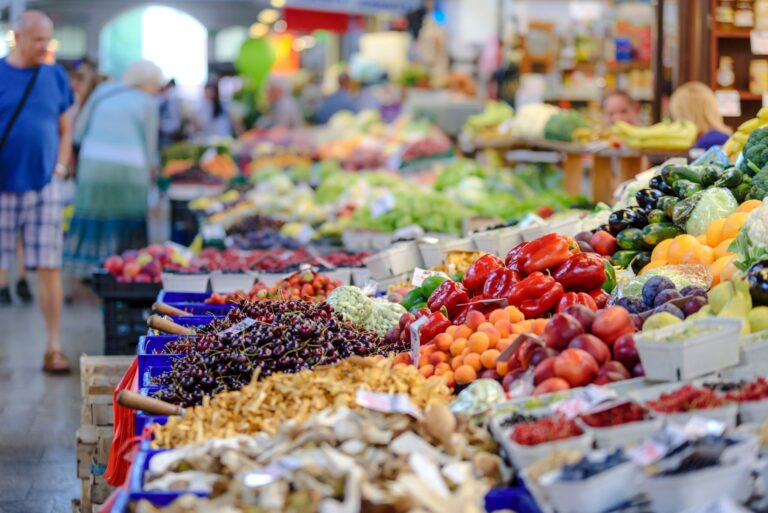
Shopping seasonally and locally can also influence what you find in your grocery cart. I’ve started visiting farmers’ markets for fresh produce, and it’s amazing how different the taste can be! Not only do I get to support local farmers, but I also often find myself avoiding products that have been transported long distances, which indirectly helps me make better choices. Plus, nothing beats the taste of a vine-ripened tomato straight from the farm!
Making Healthier Choices: A Personal Approach
Ultimately, making healthy choices is about finding what works for you. I’ve realized that I don’t need to fit into a specific health trend or label. Instead, I focus on how my choices make me feel. If I’m having a busy week, I allow myself some flexibility. Maybe I grab a frozen dinner that’s a little more on the processed side one night but balance it out with home-cooked meals the next.
Finding Balance
Finding balance is key. I sometimes indulge in treats, like my favorite ice cream or a slice of pizza, without guilt. I’ve learned that enjoying food is just as important as the nutrients it provides. It’s all about moderation, and I believe that a wholesome diet includes room for some fun and enjoyment.
Wrapping It Up
So, the next time you’re in the grocery store, take a moment to glance at the labels, but don’t let them dictate your choices entirely. Look beyond the marketing buzzwords, read the ingredient lists, and listen to how your body responds to what you eat. Remember, it’s all about making choices that feel good for you! As I continue to navigate the grocery aisles, I’m learning every day, and I hope you find your own rhythm too. Happy shopping!