This article may contain affiliate links. If you buy through them, Choosing Health Daily may earn a small commission at no extra cost to you. Learn more.
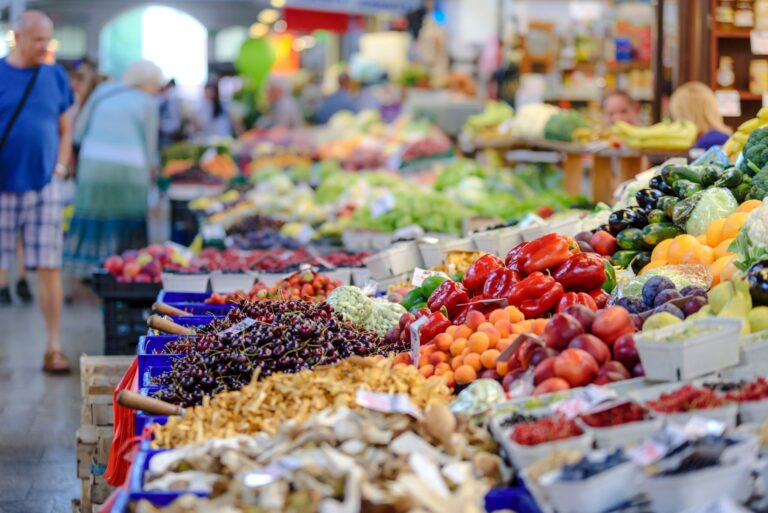
Cooking with seasonal produce is one of those simple pleasures that never goes out of style. When I walk through my local farmers’ market or browse the produce aisle at the grocery store, I can’t help but feel a tiny rush of excitement. The colors, the smells, and the shapes are all a reminder of what’s fresh and vibrant right now. It’s like nature is inviting me to create something delicious every time I step into the kitchen. Plus, cooking with seasonal ingredients often means better flavor, nutrition, and even cost savings. Let’s dive into why seasonal cooking is such a joy and how you can make it a part of your everyday meals.
Why Seasonal Produce?
First off, let’s talk about flavor. Have you ever bitten into a tomato in the dead of winter and wondered why it tastes like cardboard? That’s because tomatoes are typically at their peak in late summer, bursting with flavor that just can’t be replicated off-season. When you choose seasonal produce, you’re more likely to get fruits and vegetables at their best, which means tastier meals. I’ve made some unforgettable pasta sauces from fresh summer tomatoes, and there’s no comparison to those flavorless store-bought varieties.
Then, there’s the question of nutrition. Seasonal produce is generally picked closer to its peak ripeness, which means it can retain more nutrients. For example, when I cook with spring asparagus, I can feel good knowing that I’m getting a powerhouse of vitamins, fiber, and minerals. In contrast, off-season veggies often lose some of that nutritional goodness during transportation and storage. Eating fresh, seasonal ingredients can help boost your overall health and keep you feeling energized.
Let’s not overlook the economic aspect. Seasonal produce is usually cheaper than out-of-season options because it doesn’t have to travel as far or be stored for long periods. I’ve noticed that when I focus on what’s in season, my grocery bill stays a little lighter. A bunch of kale in the winter might run me a pretty penny, but in the fall, it’s a steal. It’s like a little gift to my wallet!
Getting Started with Seasonal Cooking
Now that we’re convinced of the benefits, how do we start cooking with seasonal produce? It’s all about making it easy and fun. I like to keep things simple in my kitchen, especially on hectic weeknights. Here are some practical steps that work for me:
- Know What’s in Season: Familiarize yourself with what fruits and vegetables are in season in your area. There are handy charts available online, or you can just ask your local farmer. I keep a small list on my fridge door so I can easily glance at it before heading to the store.
- Plan Your Meals: When I know what’s in season, I plan my meals around those ingredients. I often jot down a few recipes I’d like to try that week, focusing on what will make my plates colorful and balanced. For instance, in the fall, I love roasting butternut squash and tossing it into salads or soups.
- Experiment: Don’t be afraid to try something new. I once stumbled upon a fruit I hadn’t cooked with before, persimmons, and ended up creating a delicious salad with them. It was a bit of a gamble, but it paid off!
My Go-To Recipes
To inspire your own seasonal cooking adventures, I want to share a few of my tried-and-true recipes that highlight seasonal produce. I promise they’re simple and won’t require a culinary degree.
1. Summer Vegetable Stir-Fry
When zucchini, bell peppers, and snap peas are in season, this dish makes a regular appearance in my kitchen. I heat a bit of olive oil in a large skillet, toss in chopped garlic, and then add my vibrant veggies. A splash of soy sauce and a sprinkle of sesame seeds make it a flavorful side dish or a quick main course over rice or quinoa.
2. Autumn Harvest Salad
As the weather cools, I love making a hearty salad with roasted sweet potatoes, kale, and apples. I simply cube the sweet potatoes and roast them until they’re crispy, then toss everything together with a dressing of olive oil, apple cider vinegar, and a little mustard. This salad is warming enough for an autumn evening while being packed with nutrients.
3. Winter Citrus Compote
When winter rolls around, I rely on citrus fruits to brighten my day. I’ll chop up some oranges, grapefruits, and pomegranates, then drizzle a bit of honey and a pinch of salt to enhance the flavors. It’s a refreshing snack or a light dessert that feels indulgent but is incredibly healthy.
Shopping Tips
To make seasonal cooking even easier, I have a few shopping tips that help me snag the best produce:
- Visit Farmers’ Markets: Local farmers’ markets are my favorite places. Not only do they offer the freshest ingredients, but you also get to support local farmers. Plus, you can often taste before you buy, which is a fun bonus!
- Join a CSA: Community Supported Agriculture (CSA) programs are another great way to get seasonal produce delivered right to your door. I tried one last summer, and it was like receiving a surprise gift every week. It forced me to get creative with what was in my box.
- Look for Color: When I’m at the grocery store, I always aim for a rainbow. The more colors I see, the more nutrients I’m likely getting. Plus, colorful meals are way more appealing!
Making it a Habit
As someone who loves food but also has a busy life, I find that making seasonal cooking a habit is all about consistency and creativity. I try to remind myself that cooking doesn’t have to be perfect or elaborate. Sometimes, it’s as simple as sautéing some seasonal greens with garlic and olive oil for a quick side dish.
Every once in a while, I challenge myself to a “seasonal week,” where I only cook with seasonal ingredients. It pushes me to think outside the box and helps me appreciate the beauty of fresh produce even more. Plus, it’s a fun way to share meals with friends and family, showcasing what’s in season together.
Closing Thoughts
The joy of cooking with seasonal produce goes beyond just eating well; it connects us to the rhythms of nature and our local communities. So whether you’re throwing together a simple salad or experimenting with a new recipe, I encourage you to embrace what’s in season. It’s a delightful way to nourish your body, impress your taste buds, and keep your grocery budget in check. Happy cooking!